
Last updated November 25, 2026
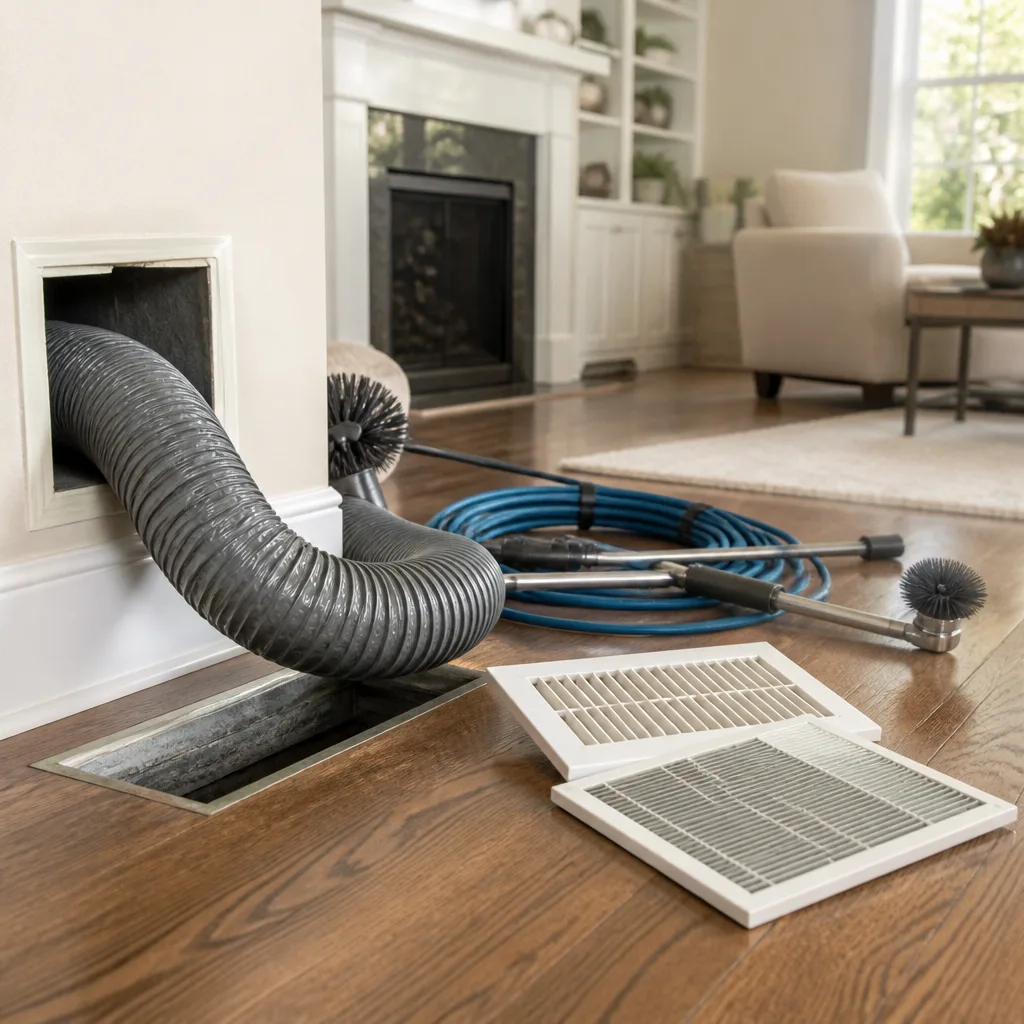 Whole-home duct cleaning
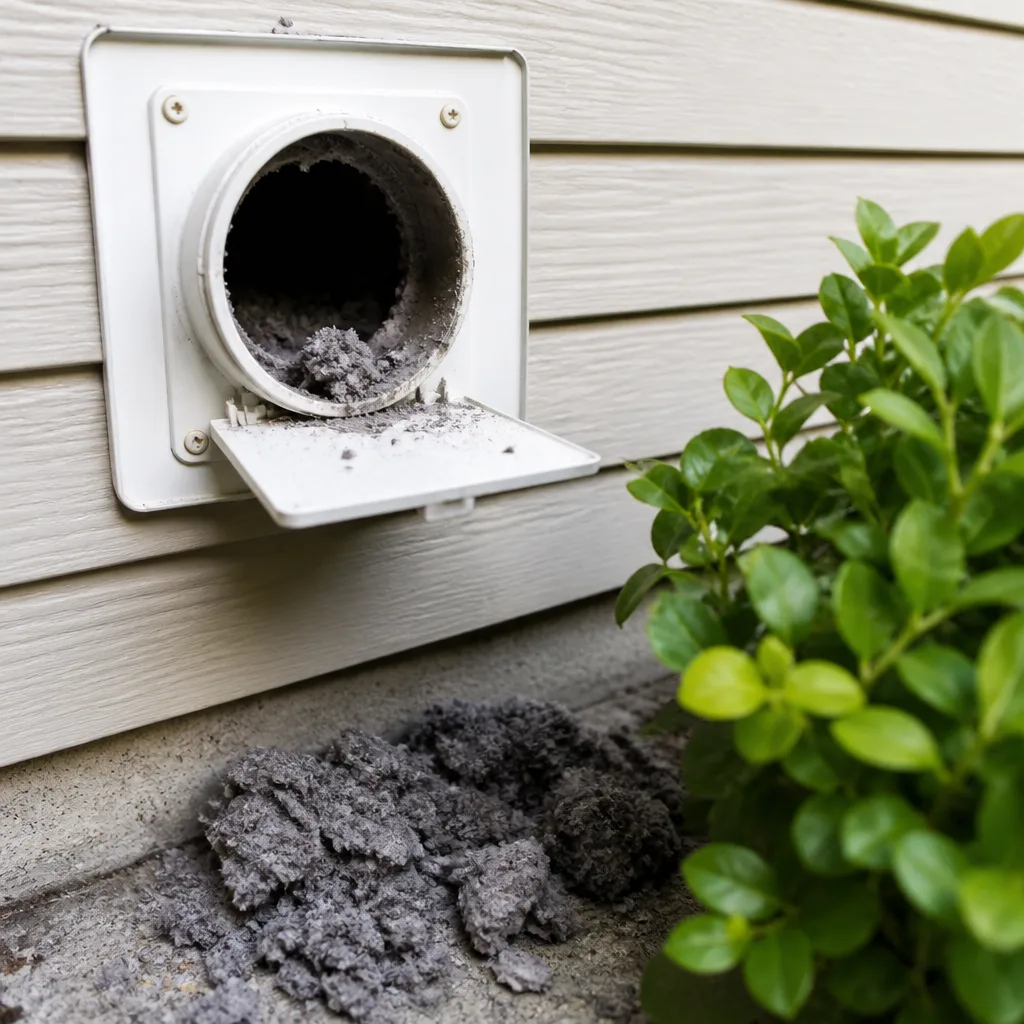 Dryer vent cleaning
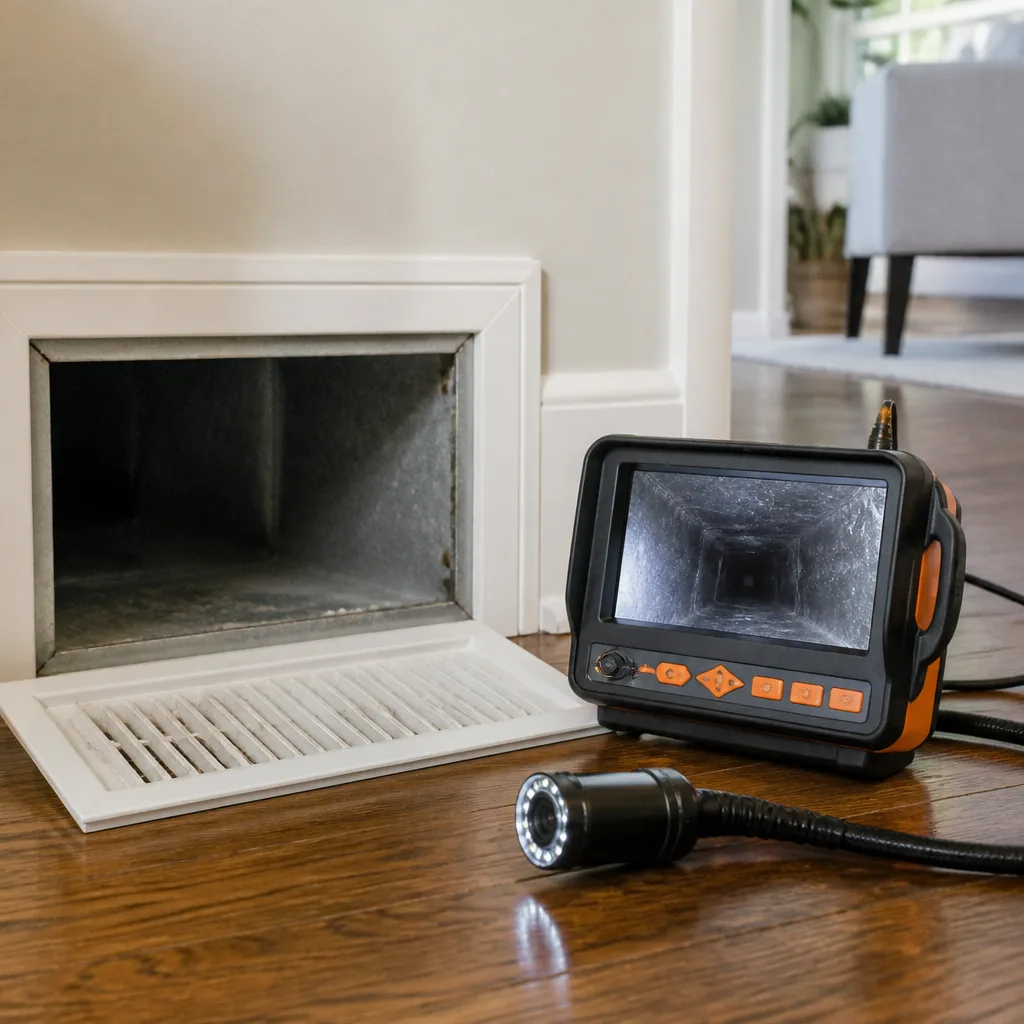 Camera inspection
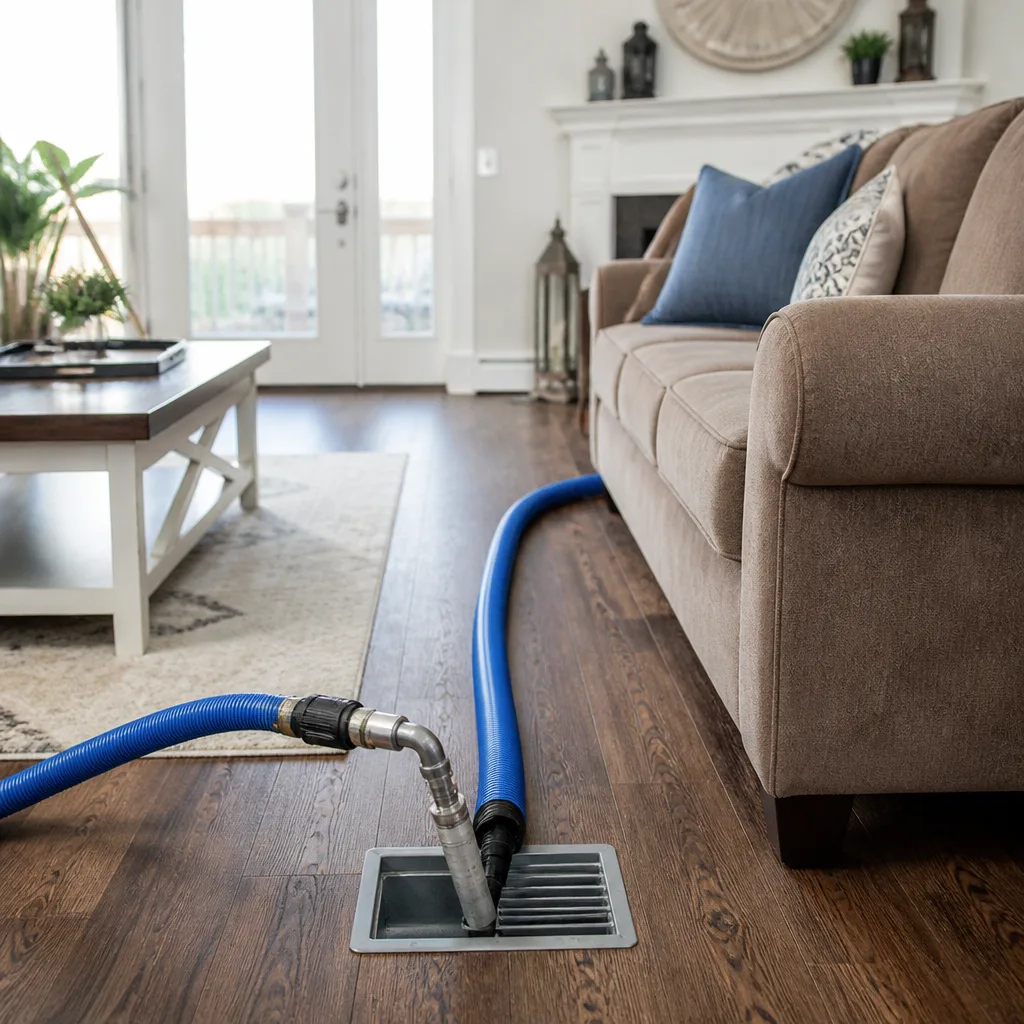 Sanitizing & deodorizing
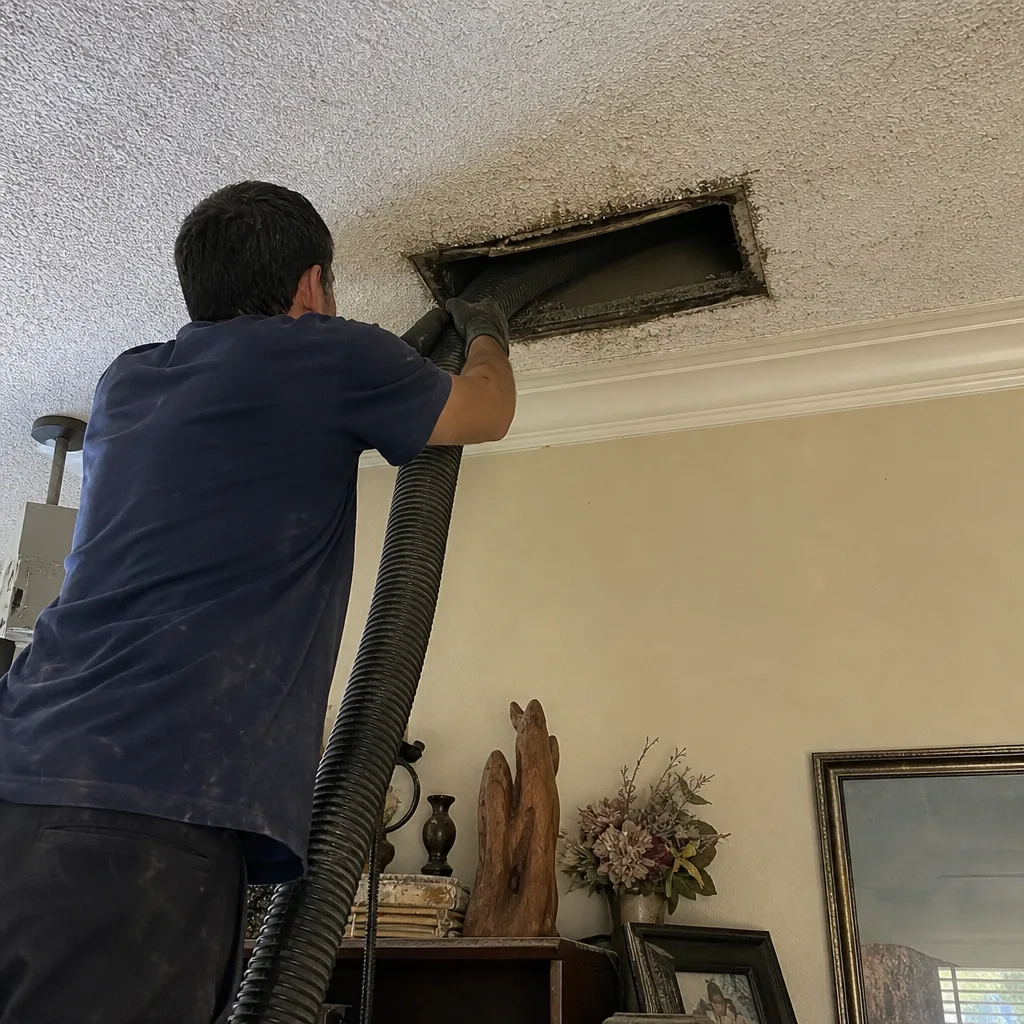
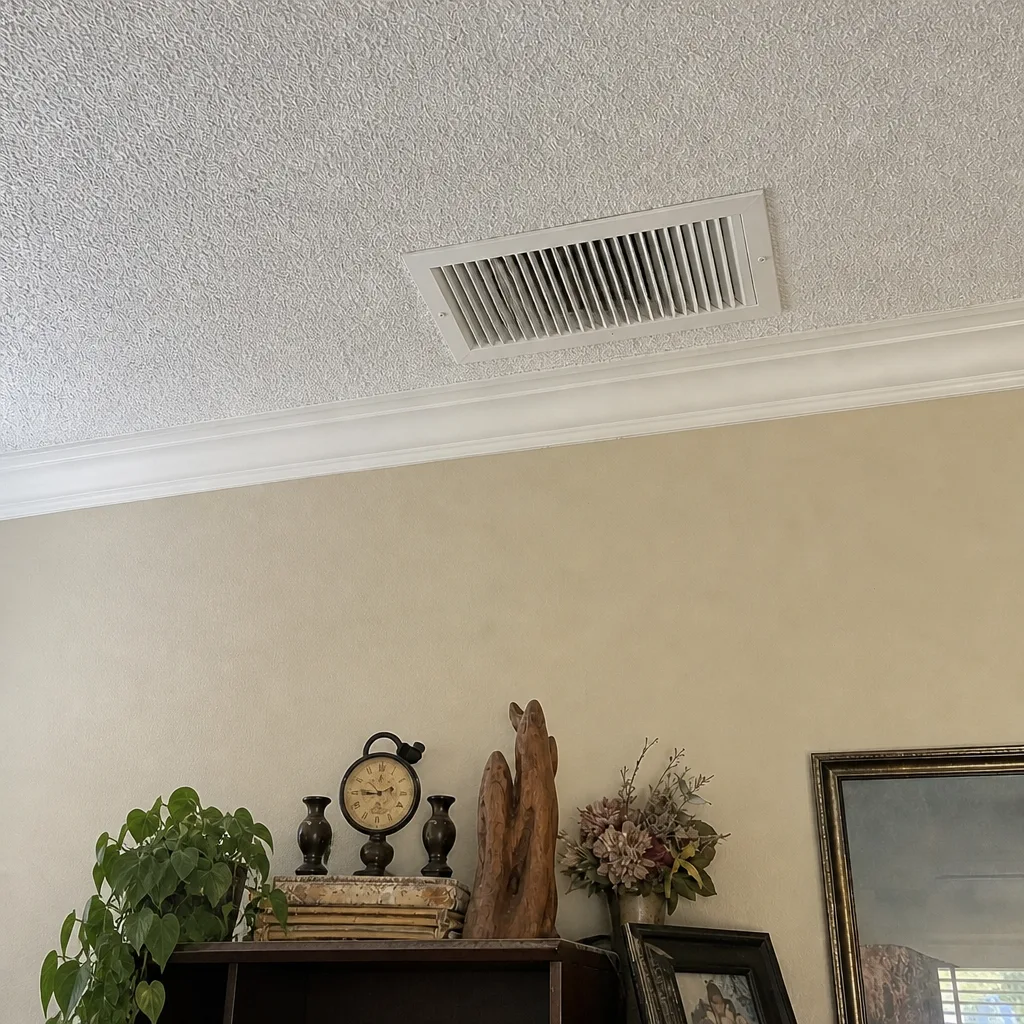
Whole-system duct and dryer vent check with before-and-after photos - you see exactly what came out of your vents
That "$99 whole-house special" is a bait ad - the real number appears once they are in your hallway, or the "clean" is a shop-vac at the register. We photograph the inside of your ducts before and after instead.
Air Duct Cleaning Cost Breakdown: The Memorial Homeowner’s Reference for 2026
The price you were quoted on the phone is usually not the price you’ll pay, and that’s not an accident. A per-vent pricing model is built to underquote at booking and upsell once the technician is standing in your hallway. A 2,500 sq ft Memorial home with a standard duct layout has somewhere between 18 and 26 vents, which doubles the advertised number before anyone has opened a single register. In this guide we break down what actually drives the cost of a real duct cleaning in Memorial, what a fair all-in range looks like in 2026, and how to read a written scope of work so two quotes can finally be compared honestly.
Quick Answer
Air duct cleaning in Memorial for a typical single-story home generally runs somewhere in the range of $450 to $1,200 in 2026, depending on system size, duct material, access difficulty, and how much contamination has built up. Per-vent specials advertised at $49 to $99 can’t deliver full-scope cleaning at that figure, and the final invoice rarely matches the teaser. A written estimate that sets one flat price for the whole system before work starts is the only number worth comparing.
Styles & brands we work with
- Whole-home duct cleaning
- Dryer vent cleaning
- Camera inspection
- Sanitizing & deodorizing
Table of Contents
- What Actually Drives Air Duct Cleaning Cost in Memorial?
- What Does a Fair All-In Price Range Look Like in 2026?
- Why the $49 to $99 Advertised Specials Can’t Work
- How Do You Compare Duct Cleaning Quotes Accurately?
- The Written Scope of Work Checklist
- The Cost-Per-Year Frame: Frequency, System Age, and Memorial’s Climate
- Reasonable Add-Ons vs. Straight Upsells
- Common Mistakes to Avoid
What Actually Drives Air Duct Cleaning Cost in Memorial?
Four variables set the real price, and vent count is not one of them. When a company quotes by the vent, they’re measuring the easiest thing to count, not the thing that determines how long a job takes or how much equipment it needs. Professional duct cleaning is priced by linear footage of ductwork, material, access, and contamination. Those four factors explain almost every legitimate price difference between two Memorial homes of similar square footage.
1. System size, measured in linear feet
A 2,500 sq ft home in Memorial with a standard layout typically has between 18 and 26 supply and return vents, but the ductwork feeding those vents can run anywhere from roughly 120 to 200 linear feet depending on how the system was designed. A home with a central trunk line and short branch runs costs less to clean than one with long, sprawling runs across a wide footprint. This is why two neighbors on the same street with identical square footage can get different estimates, and why a by-the-foot number is more informative than a by-the-vent one.
2. Duct material type
Sheet metal, flex duct, and fiberglass-lined duct each behave differently under cleaning equipment. Sheet metal holds up to rotary brushing and high-volume negative pressure with no problem. Flex duct requires gentler tooling to avoid tearing the inner liner, and heavily compressed or sagging runs take longer. Fiberglass-lined duct is the most fragile of the three and needs lower-agitation methods.
3. Access complexity
Attic-only systems are the simplest to access. Homes with a crawl space, a second story, or multiple air handlers add time. In our part of Memorial, where a mix of ranch-style homes and two-story builds share the same neighborhoods, access alone can shift a job by a meaningful amount. A quote that doesn’t ask about your layout before giving a number is a quote built on an assumption.
4. Contamination level
Mechanical cleaning removes debris. It does not necessarily treat microbial growth or heavy buildup that has been sitting for years. When contamination goes beyond the ordinary dust and dander of regular use, treatment beyond cleaning becomes part of the scope, and the price reflects it. This is the variable most likely to appear as an unexpected “finding” mid-job if it wasn’t assessed up front.
What Does a Fair All-In Price Range Look Like in 2026?
A typical single-story Memorial home with standard ductwork and moderate buildup usually lands somewhere in the $450 to $1,200 range as a single flat price. That figure covers the whole system, not a per-vent tally. What separates a fair quote from a padded one is not the number itself but what the number includes. Here’s how to read the line items.
- Mechanical cleaning of all supply and return ducts: This is the core service. It should be quoted as one price for the entire system, with the linear footage stated in the written scope.
- Register and vent cover cleaning: Standard, should be included.
- Air handler and blower compartment cleaning: Usually included in a whole-system quote. If it’s listed as a separate charge, ask why.
- Pre- and post-cleaning documentation: Photos of access points and duct interiors before and after. This belongs in every honest quote.
- Contamination assessment: If the company inspects and reports on what’s there before quoting, that’s a sign you’re dealing with a real scope. If they only “find” contamination mid-job, you’re being sold, not quoted.
The upper end of that range reflects larger systems, more complex access, or contamination requiring treatment. A two-story home with dual air handlers and long flex runs in Memorial will sit higher than a single-zone ranch. Neither number should be a surprise at the end if the scope was written properly.
Why the $49 to $99 Advertised Specials Can’t Work
Those numbers aren’t a discount on duct cleaning. They’re a booking fee. To get a technician and professional-grade equipment to your home, set up negative pressure, clean a real system, and dispose of what’s collected, the cost of labor, machine time, and disposal already exceeds a $49 or $99 figure before anyone walks through your door. That math doesn’t change based on the company. It’s structural.
What happens instead is a two-stage transaction. The advertised price gets you on the schedule. Then the on-site technician identifies “problems” that require additional fees: additional vents, additional treatment, additional equipment. The final invoice often lands somewhere near what an honest flat quote would have been from the start, except now you’ve been through a negotiation in your own living room and you have no written scope to compare against.
This is the single biggest reason we lead with equipment quality rather than a headline number. A Rotobrush or Nikro extraction system costs what it costs, and a company running one doesn’t need to invent upcharges to make a job viable. Industrial-grade equipment, priced honestly, is the alternative to marketing math.
How Do You Compare Duct Cleaning Quotes Accurately?
Compare two quotes on scope, not on price alone. A $500 quote and a $900 quote can’t be evaluated against each other unless both state the same things. The lower number is only a better deal if it covers the same work. Here’s the order to check them in.
- Does the quote state linear footage of ductwork? Not just vent count. A written scope should specify roughly how many linear feet of supply and return duct will be cleaned.
- Does it name the equipment? Rotobrush and Nikro are the platforms used in professional and commercial-level duct work. A quote that just says “professional equipment” is telling you nothing.
- Does it list every area covered? Supply ducts, return ducts, registers, grills, air handler. Anything omitted is either an add-on later or simply not being done.
- Does it promise before-and-after documentation? Photos of your own system, not stock images from a brochure.
- Is it a flat price for the whole system? Not per vent, not a base fee plus per-vent, not a number that assumes “typical” and adjusts on site.
- Does it account for your duct material? A quote that doesn’t ask about flex versus sheet metal hasn’t assessed the job.
If a company can’t produce a written scope matching these six points, the quote isn’t comparable to anything. It’s a placeholder.
The Written Scope of Work Checklist
A legitimate scope of work is a short document, not a sales pitch. When you request an estimate for air duct cleaning in Memorial, here’s what a real one contains. Ask for it in writing before anyone schedules a visit.
- Method described: Source-removal cleaning under negative pressure, with the agitation tool named. No “blow-and-go” vague descriptions.
- Equipment named: The specific machine being used. Rotobrush and Nikro are the recognized professional-grade platforms. Abatement Technologies equipment is what you’d expect to see if sanitizing is part of the scope.
- Areas covered: Every duct run, register, and component being cleaned, listed by zone or approximate footage.
- Access method stated: How the technician will reach each duct run, whether through registers, access panels, or existing openings.
- Pre- and post-clean documentation: Photos before and after, of your system, kept on file.
- Language on additional work: What constitutes a scope change and how it’s priced, in advance, not mid-job.
- A flat price for the whole system: One figure, agreed before work begins, with no per-vent multiplier.
If any of these are missing, the price you’re being quoted isn’t tied to a scope, and you’ll have no basis for comparison when the invoice arrives.
The Cost-Per-Year Frame: Frequency, System Age, and Memorial’s Climate
A single cleaning cost means little on its own. The number that matters is what it costs to keep your system clean over time, and that depends on how often the work needs doing, how old the system is, and what the local climate does to it. Memorial’s mild winters and long, humid cooling season mean your system runs hard for most of the year. That has a real effect on how quickly dust, pollen, and dander accumulate in the ductwork compared to a climate where the system sits idle half the year.
Here’s how the amortized picture works:
- Homeowners with allergies or respiratory sensitivity: More frequent cleaning, typically every couple of years, keeps the system from becoming a reservoir. Annualized, a $600 to $900 cleaning every two years works out to roughly $300 to $450 a year.
- Recent renovation or new HVAC install: One thorough cleaning right after completion, then normal cadence. Construction dust and debris from a new system install should never be left in the ductwork.
- Long-deferred maintenance: The first cleaning after years of neglect costs more because contamination levels justify treatment beyond mechanical cleaning. Then the amortized cost drops to normal.
- Property managers: Turnover-driven cleaning spreads cost across units. The per-unit cost is lower than a one-off residential job because the scope is smaller and predictable.
The same math applies to HVAC cleaning, which addresses the mechanical components rather than the ductwork itself. Skipping cleaning doesn’t save money over the long run, it simply moves the cost into lower system efficiency and earlier equipment strain.
Reasonable Add-Ons vs. Straight Upsells
Not every additional charge is predatory, and not every add-on is legitimate. The dividing line is whether the service addresses something real in your system that mechanical cleaning can’t solve, and whether it was identified before you agreed to a price or after. Here’s how the categories typically break down.
- Reasonable add-ons: Air quality and sanitizing treatment when contamination warrants it, identified during inspection and quoted before work starts. Filtration upgrades using Honeywell or Aprilaire products when the existing filter is undersized for the system. Duct repair and sealing when the inspection finds leaks that are losing conditioned air.
- Straight upsells: Per-vent upcharges after the flat price was quoted. “Sanitizing” sold on every job regardless of what’s actually in the ducts. Filter replacements at marked-up prices without any real recommendation of what the system needs.
One practical differentiator worth knowing: a full-service scope covers cleaning, sanitizing, repair, and sealing under one company and one visit. If a company can clean but can’t seal a leak it finds, you’re going to pay two companies for what should be one job. That second cost is real, and it doesn’t show up in the cleaning quote.
Dryer vent cleaning is another service worth checking. It’s a fire-safety service, not a cosmetic one, and it’s typically skipped or outsourced by companies that only do ducts. If you’re booking a cleaning visit anyway, it’s worth asking whether dryer vent cleaning can be handled on the same visit.
Common Mistakes to Avoid
- Comparing quotes without comparing scope. A $300 quote against a $900 quote tells you nothing unless both state the same footage, equipment, and areas covered. The cheaper number is often the smaller job.
- Booking on the advertised special. The $49 to $99 figure is a booking price, not a cleaning price. By the time the final invoice arrives, you’ve paid market rate and lost the ability to shop around.
- Not asking what equipment will be used. A consumer-grade shop-vac setup and a Rotobrush or Nikro system are not the same service. Ask before you book, not after the technician arrives.
- Skipping the pre-cleaning inspection. If contamination requiring treatment isn’t identified before quoting, it becomes a mid-job surprise with a mid-job price. A real quote assesses first, then prices.
- Assuming duct cleaning fixes HVAC problems it can’t. Cleaning is not repair. If the system is losing air or a component is failing, cleaning won’t solve it. This is why knowing whether your company can also seal and repair matters. Clean ducts are the start; we also repair and seal what’s leaking your conditioned air.
- Booking a duct-only company and a separate dryer vent company. Two visits, two minimum charges. If the dryer vent hasn’t been done, it’s worth combining.
- Choosing a generalist HVAC contractor for duct cleaning. Duct and air-quality work uses different equipment and different training than general HVAC repair. A company that treats it as an add-on brings add-on equipment.
See the difference
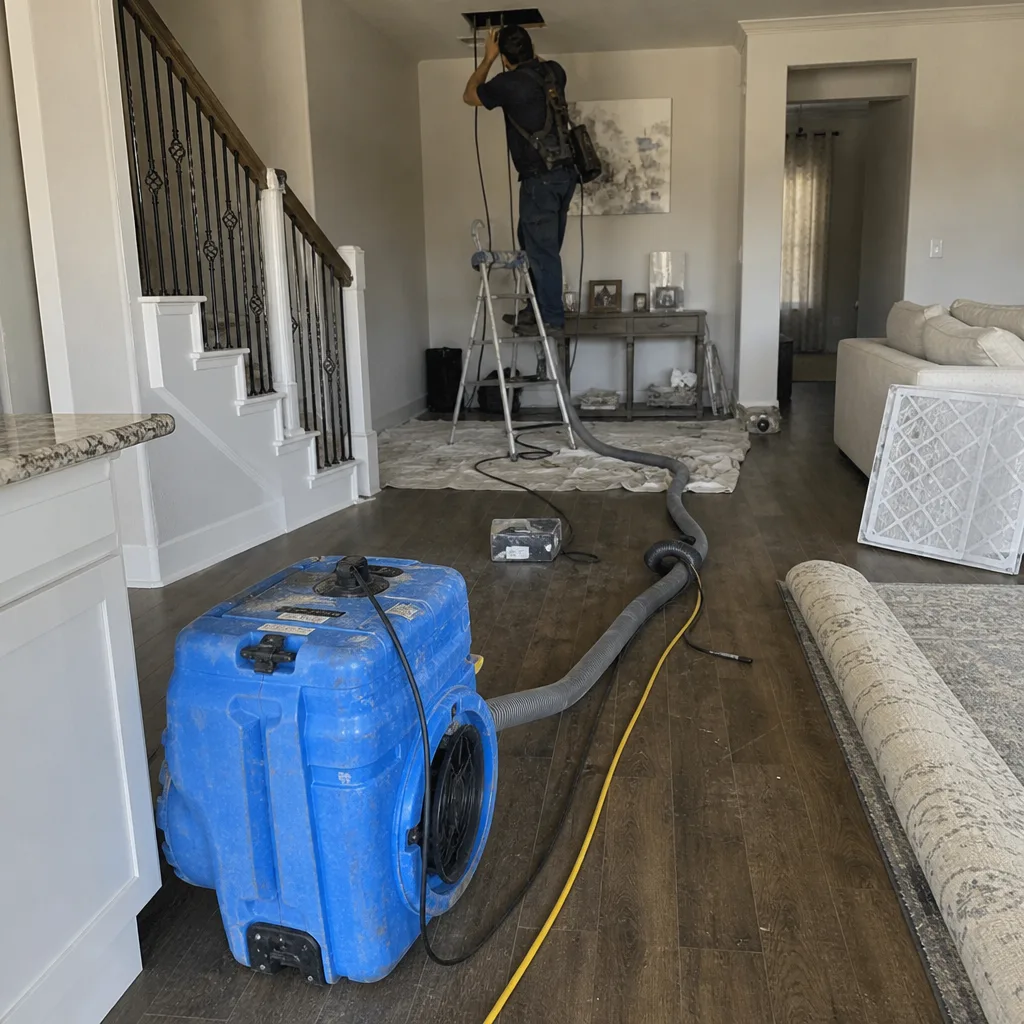 Before
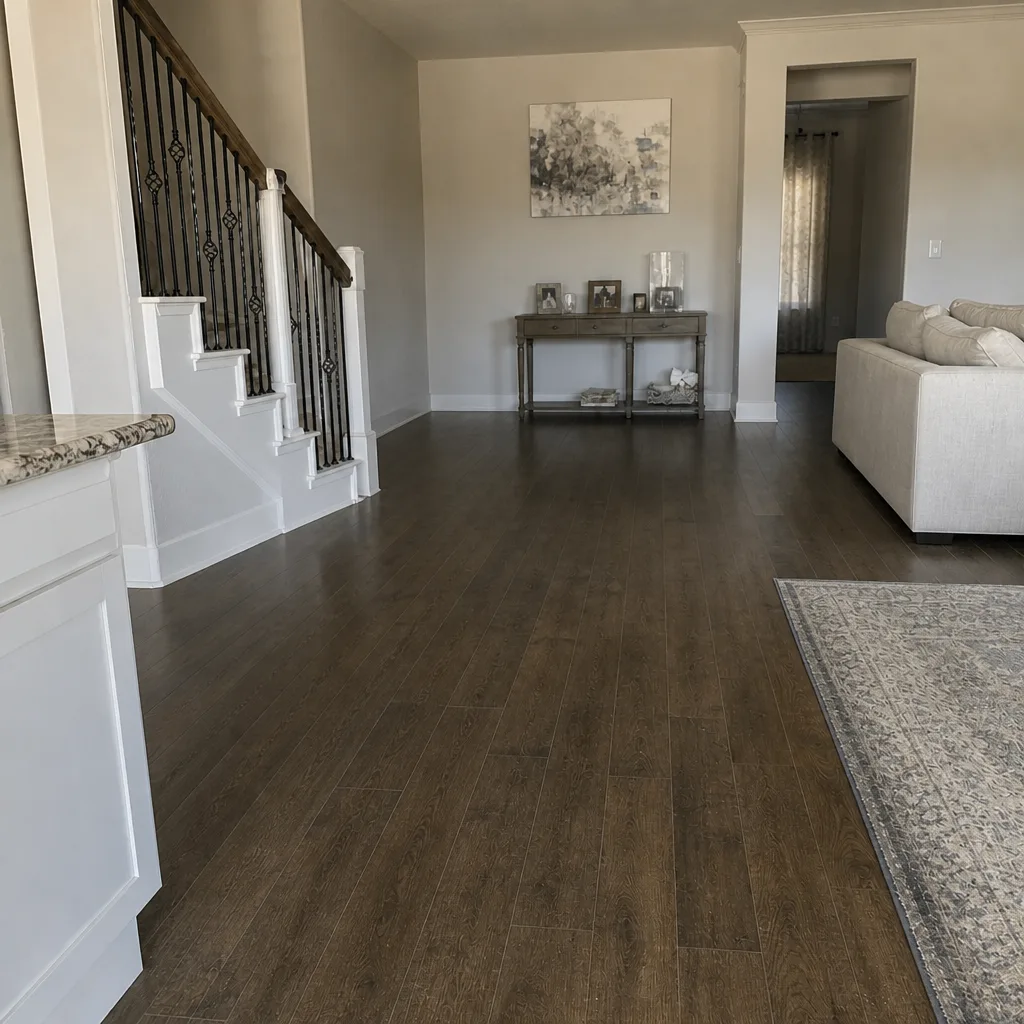 After
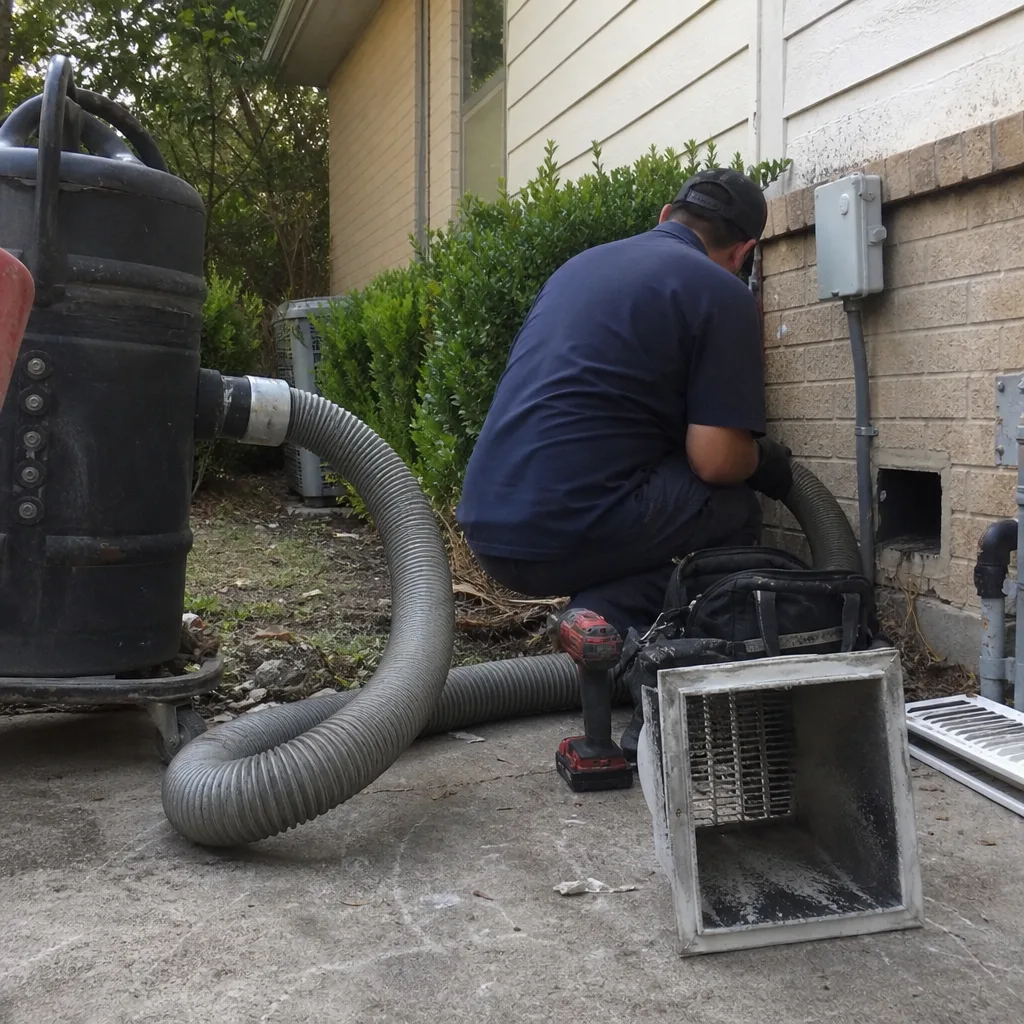 Before
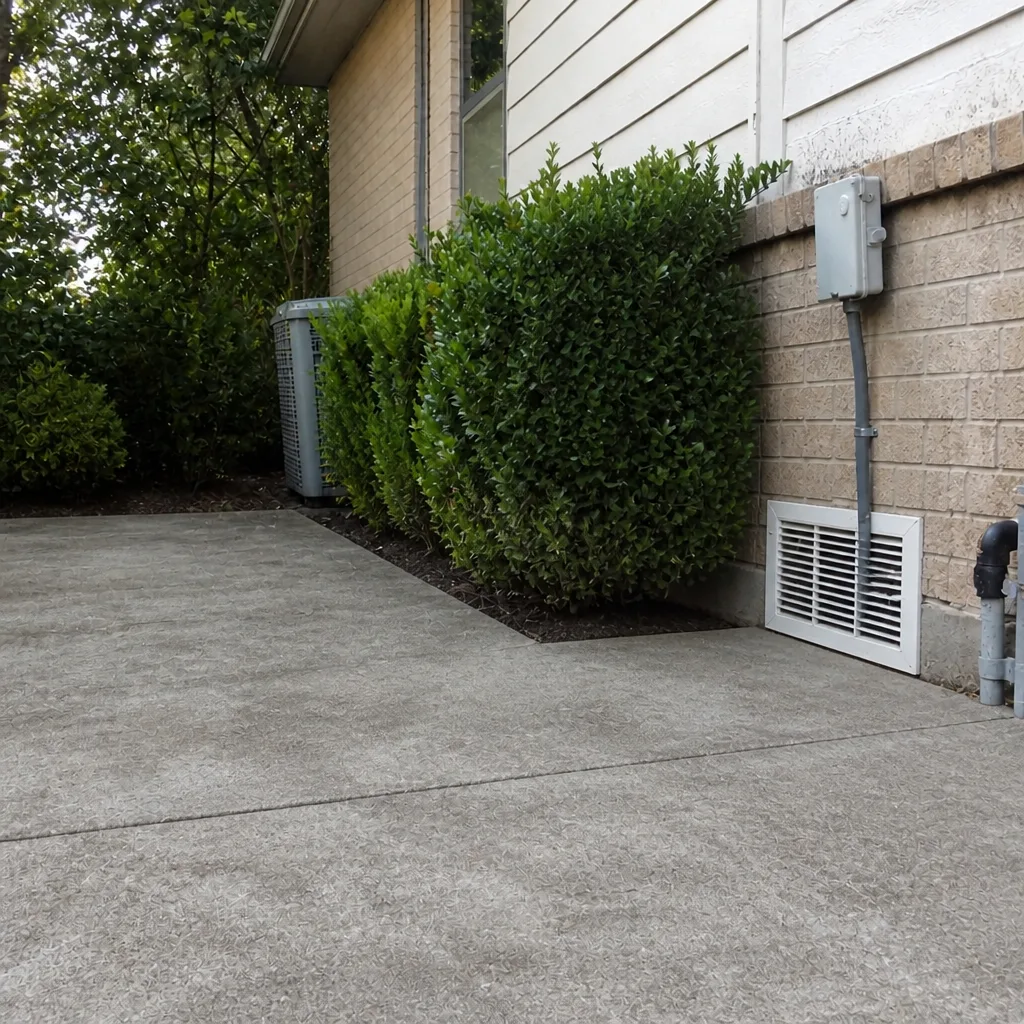 After
 Before
 After
When to Call a Professional
Some situations warrant a call without waiting for the next scheduled cleaning. If you’ve just finished a renovation and construction dust is still settling, if a new HVAC system was installed and you don’t know what debris came with it, if someone in the household is dealing with persistent allergy symptoms that don’t improve with filtration alone, or if it’s simply been years since the ducts were last cleaned, an inspection and quote make sense. Visible mold near a register, a musty smell when the system runs, or a noticeable drop in airflow from the vents are all reasons to have someone look at the system rather than guess. If you’re not sure whether you need it, the estimate is free, so the decision costs nothing to make.
Air Duct Cleaning Memorial offers free estimates in Memorial. Call (833) 468-3620. We answer 24/7. Fast dispatch from 7am to 7pm, Sunday through Friday.
Frequently Asked Questions
For a typical single-story Memorial home in 2026, a full-scope cleaning generally runs somewhere in the range of $450 to $1,200 as a flat price for the whole system. Larger homes, multi-story layouts, complex access, or heavy contamination requiring treatment push toward the higher end. The written estimate sets the final price. Call (833) 468-3620 for an exact quote; estimates are free.
Cheap quotes are usually smaller jobs, not better deals. A $99 special typically covers a partial cleaning or a per-vent base rate that grows on site, and it rarely reflects the equipment or labor a real cleaning requires. The cost of getting a professional-grade machine to your home and disposing of what it collects is fixed; a quote below that floor is a teaser, not a discount. Call (833) 468-3620 to compare a real scope against the number you’ve been given; estimates are free.
Ask for before-and-after photos of your own ductwork, taken at the access points and inside the runs. A proper job includes pre- and post-cleaning documentation as part of the scope, not as a favor you have to request. If a company can’t show you what your ducts looked like before and after, you have no way to verify the work. Call (833) 468-3620 to book an estimate with documentation included; estimates are free.
Most homes do well with a cleaning every three to five years, with more frequent intervals for households dealing with allergies, pets, or recent renovations. Memorial’s long cooling season means the system runs for most of the year, so dust and pollen accumulate faster than in climates with shorter run times. The right cadence is based on what an inspection finds, not a fixed calendar. Call (833) 468-3620 and we’ll help you think it through; estimates are free.
It can reduce the reservoir of dust, dander, and pollen that a system recirculates, which is one reason households with allergy concerns schedule it more often. It doesn’t replace filtration or medical advice, and in a system with heavy contamination, sanitizing treatment using Abatement Technologies equipment may be part of the scope. An inspection will tell you what’s actually there. Call (833) 468-3620 for a free estimate.
Yes, and this is where a single-trade specialist covers more ground than a duct-only company. Duct repair and sealing are part of the service scope, so leaks found during cleaning can be addressed on the same visit rather than handed off to a second vendor. That saves both the second visit and the conditioned air you’d otherwise keep losing. Call (833) 468-3620 for a free estimate on cleaning and repair together.
The Bottom Line
The real price of duct cleaning in Memorial is set by four things: linear footage, duct material, access, and contamination. Vent count is a marketing unit, not a cost driver. A fair 2026 range for a typical single-story home sits between roughly $450 and $1,200 as one flat price for the entire system, agreed before work begins. Anything advertised below that floor is a booking fee, not a cleaning price. Compare quotes on written scope, name the equipment (Rotobrush, Nikro), and expect before-and-after photos of your own ducts. That’s how you avoid the bait-and-switch, and it’s how you know what you paid for was worth paying for.
If you’d like a flat, written estimate for your home in Memorial, call (833) 468-3620. We answer 24/7. Fast dispatch from 7am to 7pm, Sunday through Friday.
To learn more about what we do and how we approach a cleaning from start to finish, visit Air Duct Cleaning Memorial.
Written by the team at Air Duct Cleaning Memorial.