
Last updated November 25, 2026
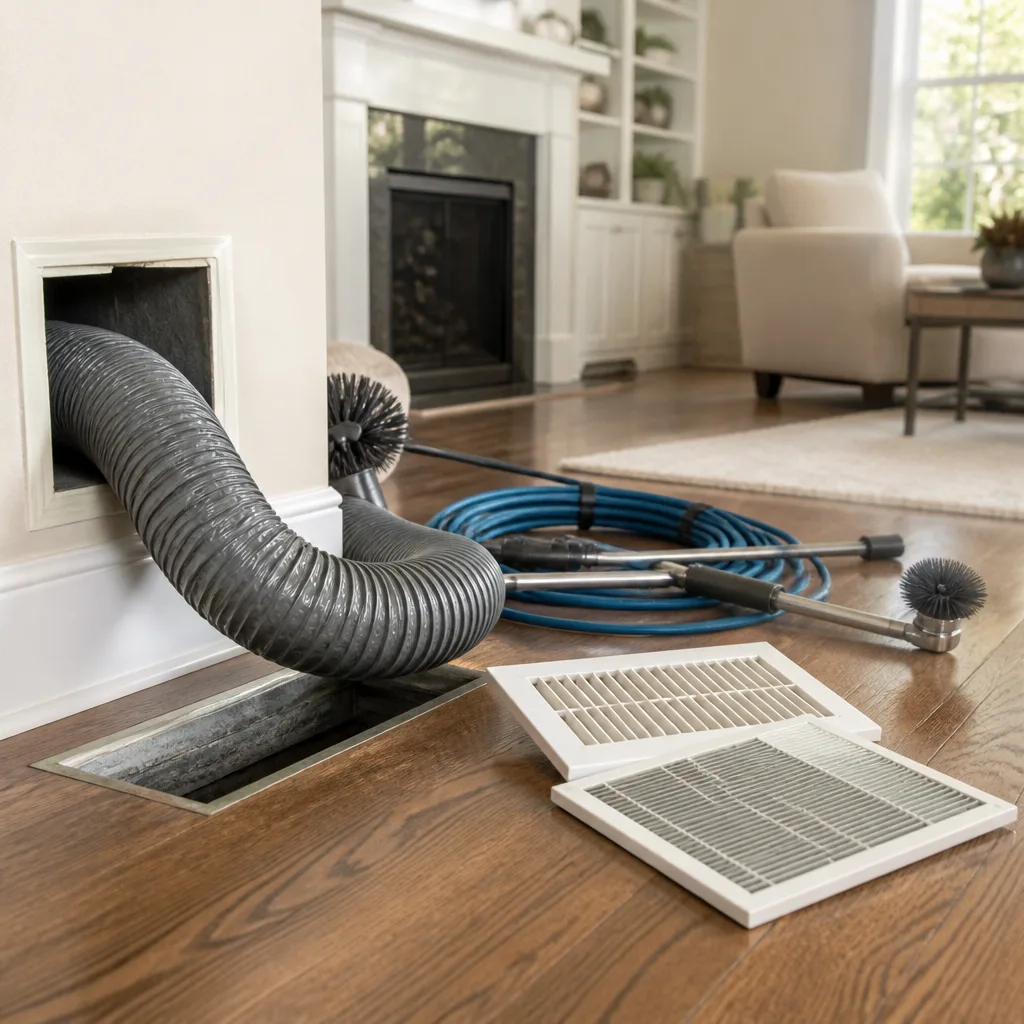 Whole-home duct cleaning
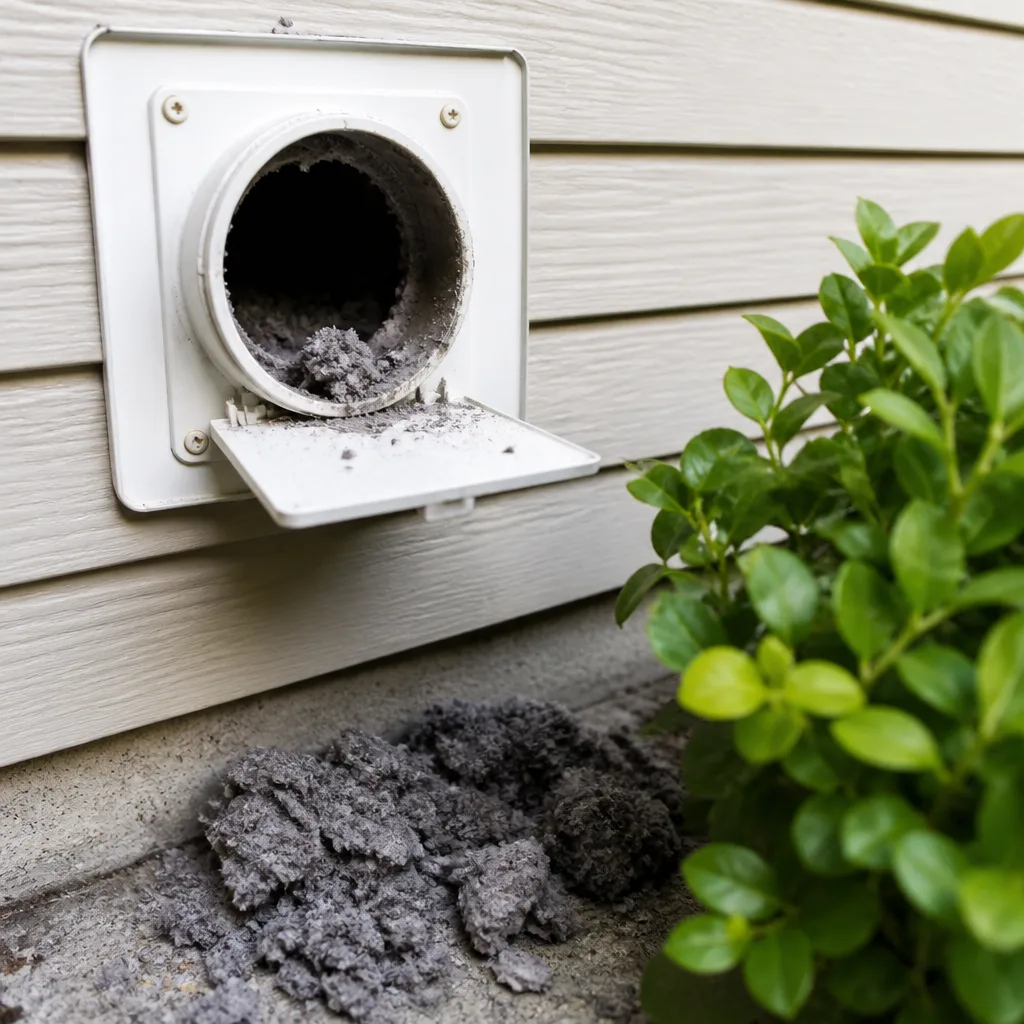 Dryer vent cleaning
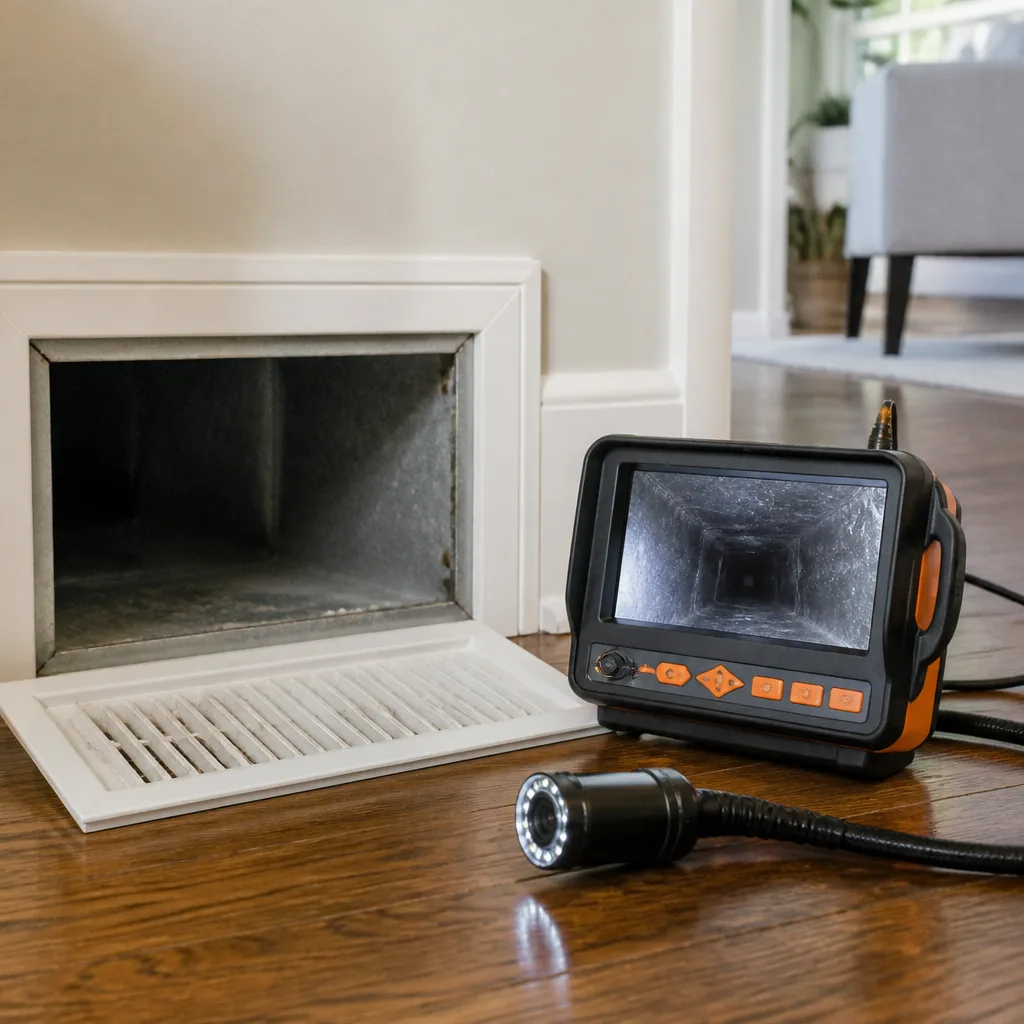 Camera inspection
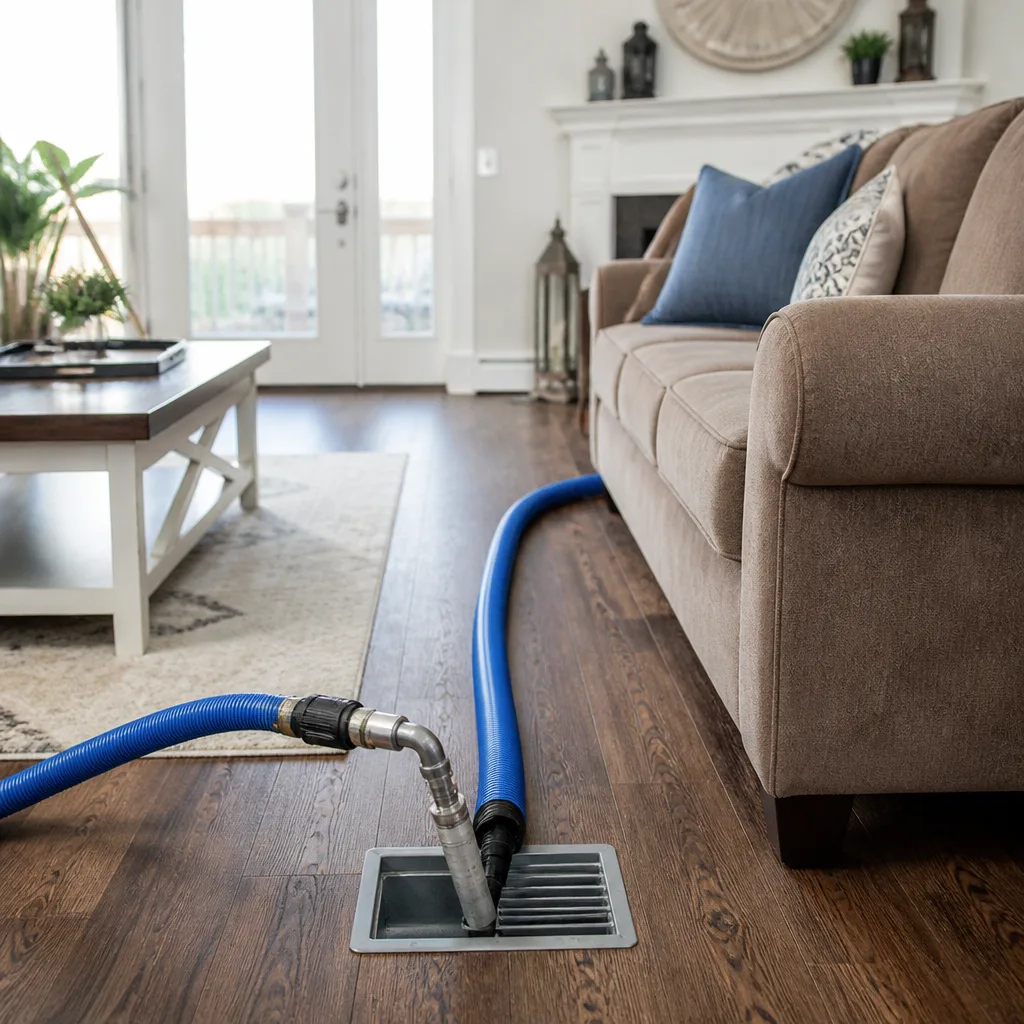 Sanitizing & deodorizing
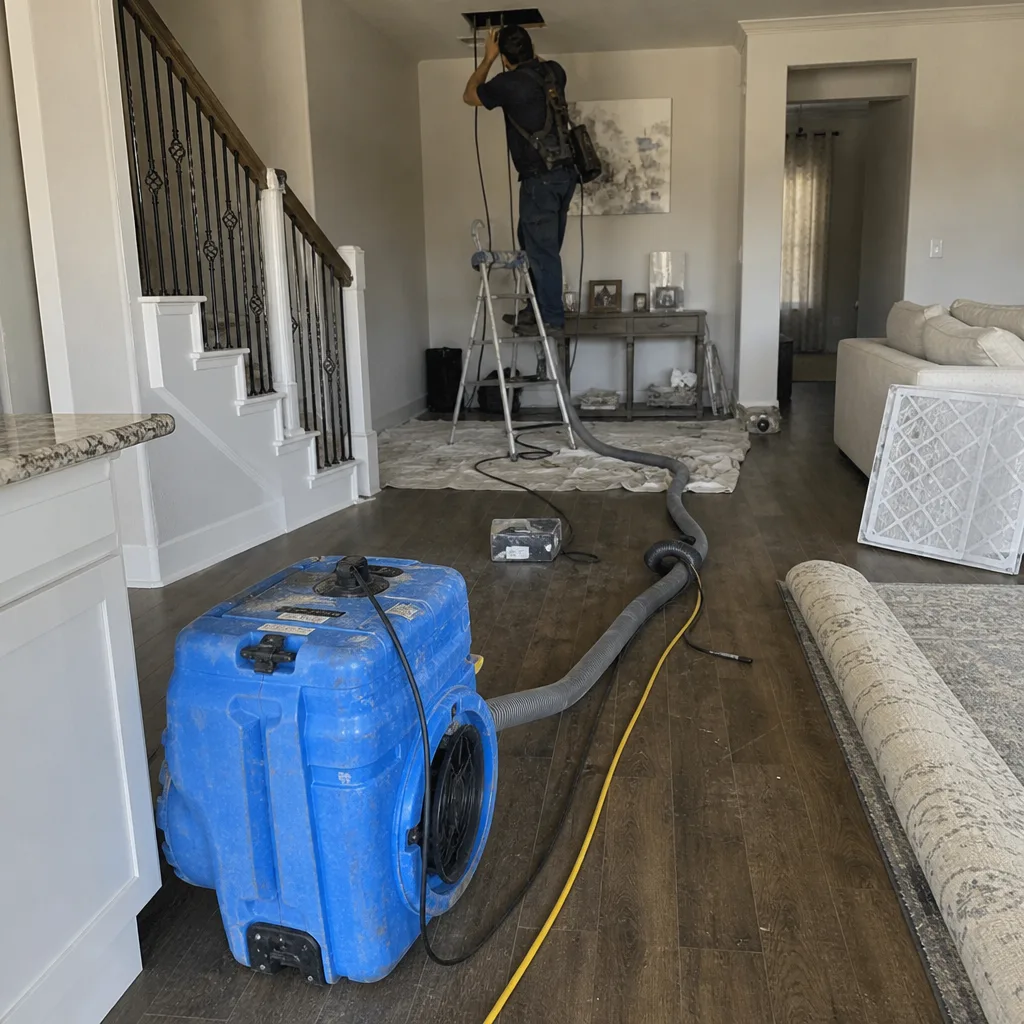
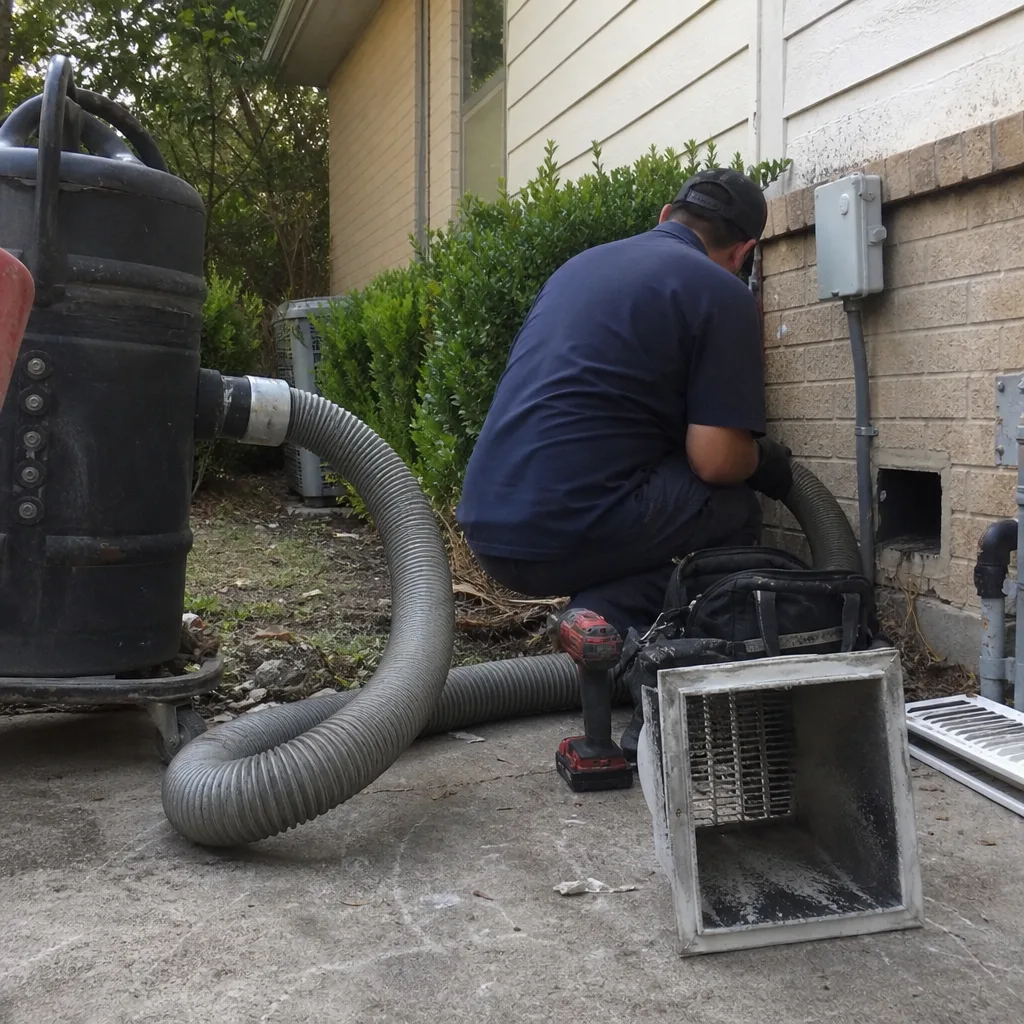
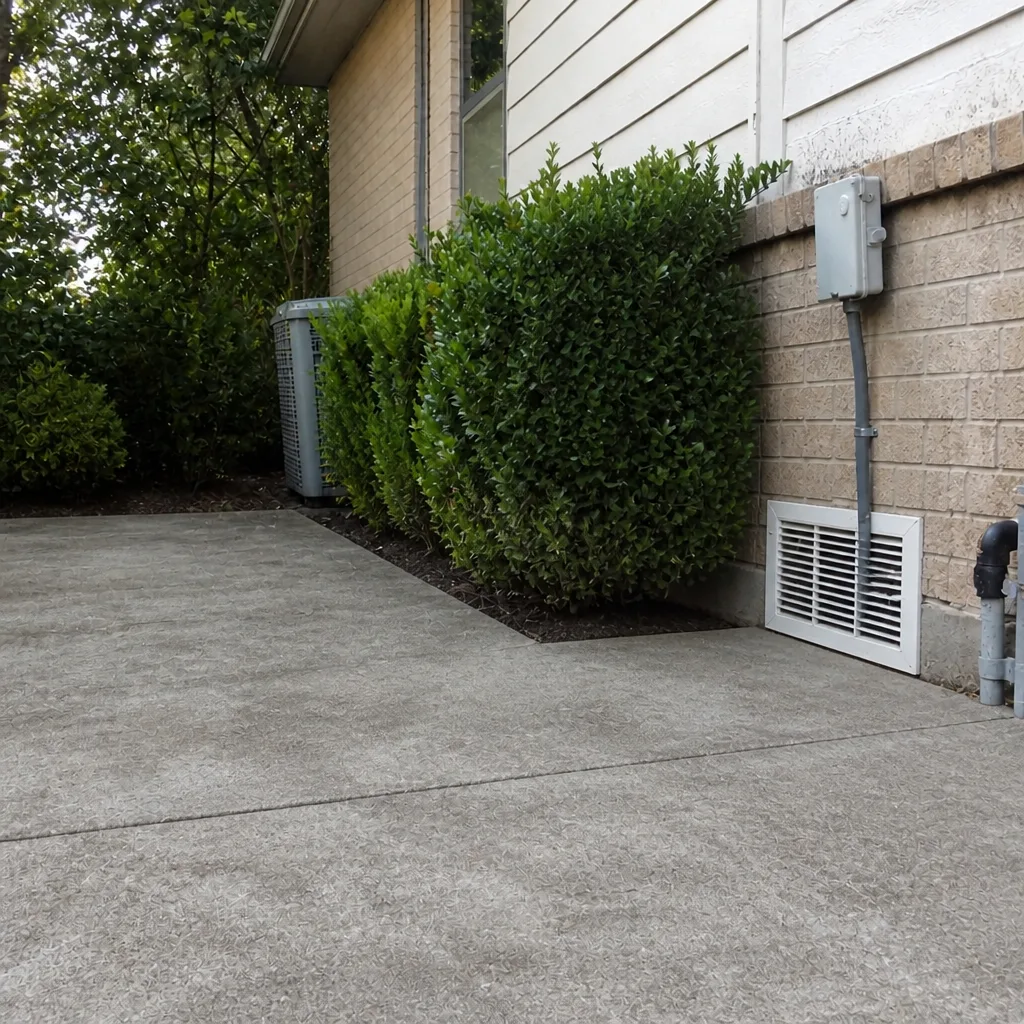
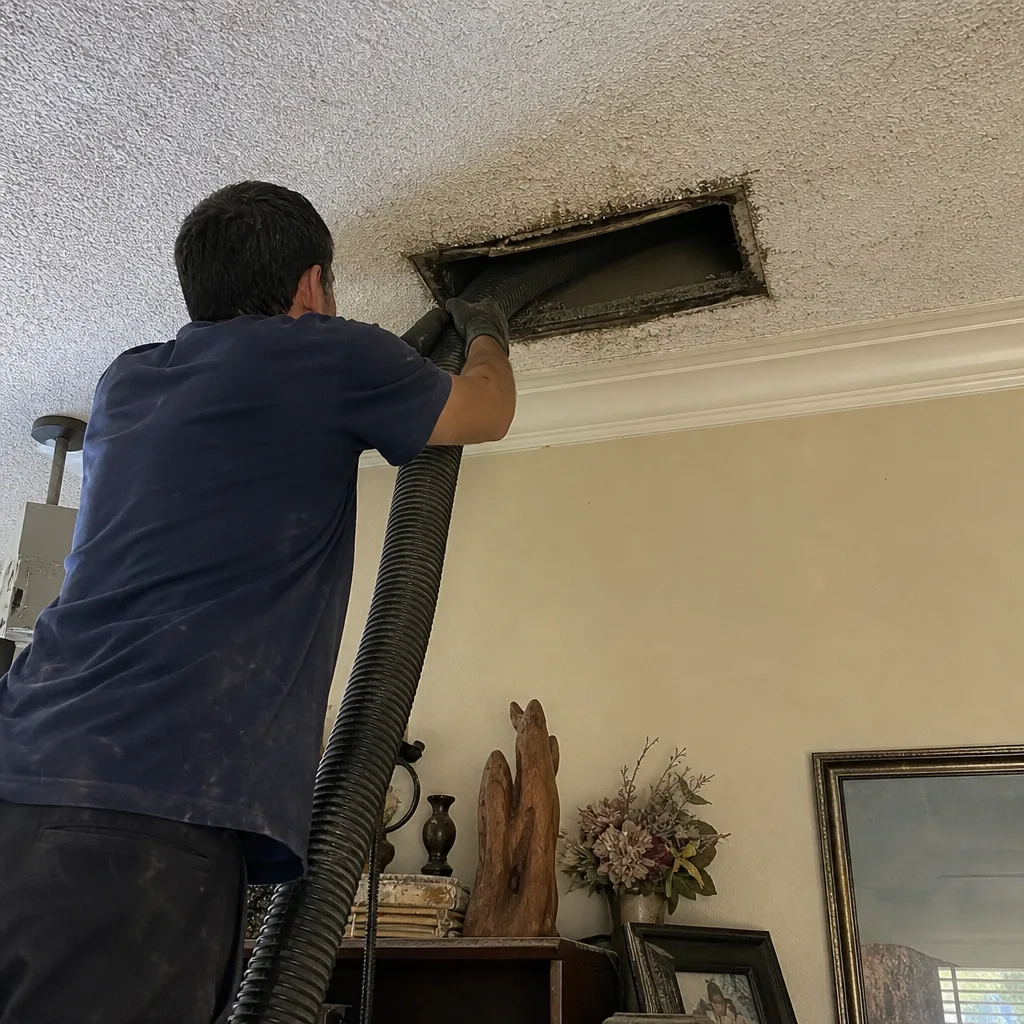
Whole-system duct and dryer vent check with before-and-after photos - you see exactly what came out of your vents
That "$99 whole-house special" is a bait ad - the real number appears once they are in your hallway, or the "clean" is a shop-vac at the register. We photograph the inside of your ducts before and after instead.
Air Duct Cleaning Emergency Preparedness Guide for Memorial Homes
The most expensive mistake after a storm isn’t what the wind takes. It’s what you turn back on. After Hurricane Harvey, thousands of Houston-area homeowners restarted HVAC systems that had been sitting in flooded or sealed homes for days, pushing mold-laden air through every duct in the house before anyone had looked inside. The damage compounded fast, and most of it was preventable. Memorial sits squarely in a major hurricane corridor, so this isn’t a hypothetical for our neighbors along Buffalo Bayou, Memorial Villages, and the Energy Corridor. Duct systems here face event-driven contamination that a routine cleaning appointment was never designed to handle. What follows is the protocol: how to prepare before a storm, what to do in the first 72 hours after, and how to document it all for your insurer.
Quick Answer
If your home has been through flooding, a power outage longer than 72 hours, or smoke intrusion, do not restart your HVAC system until the ductwork has been inspected by a specialist. Turn off the system at the thermostat and the breaker, then get an assessment before any air moves through the ducts. Wet duct lining can begin growing mold within 48 hours, and once a system circulates that air through a Memorial home, the remediation scope grows considerably. The right sequence is assess, document, then restore – never power up first and ask questions later.
Styles & brands we work with
- Whole-home duct cleaning
- Dryer vent cleaning
- Camera inspection
- Sanitizing & deodorizing
Table of Contents
- Pre-Storm Preparation: Shutting Down Your HVAC System Before Evacuation
- The Mandatory Assessment Sequence Before Restarting Any System
- What Water Intrusion Into Ductwork Looks Like at Inspection
- Smoke and Particulate Infiltration: Why Settled Dust and Combustion Byproducts Are Different
- Restoring Your Duct System After a Declared Emergency
- Documentation Protocol for Insurance Claims
- Common Mistakes to Avoid
- When to Call a Professional
Pre-Storm Preparation: Shutting Down Your HVAC System Before Evacuation
The hours before a hurricane make landfall are for getting your family out, not for heroic home projects. But a few targeted steps on the HVAC side will meaningfully reduce how much contamination your ducts take on during the event – especially wind-driven rain, airborne debris, and the pressure changes that push outside air into the envelope of a home.
Here’s the sequence we recommend before you leave a Memorial home for an extended evacuation:
- Set the thermostat to OFF. Not to “cool” or “auto” – fully off. A system that cycles on during the storm can pull moisture and debris into the return side.
- Switch the HVAC breaker off at the panel. This protects equipment against power surges and brown-outs as the grid flickers during the event.
- Seal return and supply registers with painter’s tape or plastic sheeting and blue tape. This is the single biggest infiltration reduction step for a home being evacuated.
- Replace your air filter with a fresh one. If there’s residual debris in the return plenum, a clean filter gives the system a fighting chance when you restart.
- Move anything stored near the air handler – paint, chemicals, extra filters – up off the floor or out of the closet entirely, so water intrusion doesn’t wick into the duct system from stored materials.
If your ducts have never been cleaned and you’re in an older Memorial property – the 1960s and 1970s builds in Memorial Villages are notorious for original duct liner – a pre-season cleaning and leak assessment is worth scheduling before hurricane season begins. Duct Repair & Sealing work we do around the area frequently turns up leaks at plenum connections that let in outside air during high-wind events.
One more thing: know where your air handler lives. In a two-story Memorial home it’s often in an attic or a second-floor closet, which is good news during a flood event; in a single-story ranch it may be in a garage or utility closet that could take on water. If your handler is at grade level, plan to have the breaker off before the storm and inspect that closet first when you return.
The Mandatory Assessment Sequence Before Restarting Any System
This is the section to bookmark. Powering up an HVAC system before assessing it is the most expensive mistake we see after a flood, a long power outage, or a fire. It’s also the easiest one to avoid if you follow a fixed order.
Run these five steps before anything else:
- Confirm the power is off at both the thermostat and the breaker. Even a smart thermostat can command the system to run if it recovers after an outage.
- Visually inspect the duct system for standing water, wet insulation, sagging flex duct, or visible mold growth. Any of those means stop here and call a specialist.
- Inspect the air handler cabinet for water intrusion, rust, or condensate damage. If the cabinet took on water, the interior of the system almost certainly did too.
- Check the filter and return plenum. A filter that’s visibly wet means the return side is compromised.
- Have the ductwork professionally assessed – with a camera, if the ducts are rigid or hard to reach, which is common in Memorial’s older homes.
A power outage exceeding 72 hours is its own scenario. Even without flooding, a sealed home in Houston heat in late summer or early fall can build up enough humidity that condensation forms inside ductwork – especially if the ducts are insulated with older fiberglass liner. After 72 hours without dehumidification, treat the system as suspect until it’s been checked.
Same with smoke intrusion from a nearby structure fire, wildfire, or extended air quality event. If you can smell smoke in the house after the event has passed, some of it has bonded to the inside of the ducts. That’s a cleaning problem, but it’s not the same cleaning problem as settled dust. Our teams use Rotobrush and Nikro professional extraction equipment on every job because standard shop-vac setups don’t move enough air to lift combustion byproducts off duct surfaces.
Document everything you find before you clean, photograph, or move anything. More on that in the insurance section below.
What Water Intrusion Into Ductwork Looks Like at Inspection
Water in a duct system isn’t always visible from a register. It shows up in ways that take a trained eye, and it behaves differently depending on the type of ductwork involved.
What to look for, and where:
- Wet or stained duct liner. The most common failure point in Memorial’s older homes. Liner absorbs water like a sponge and holds it against the metal.
- Rust at seams and joints. Metal duct will rust quickly after water intrusion, and rust is one of the clearest records that water was there.
- Sagging flex duct. Flex duct that’s taken on water loses its shape and can trap water in low spots.
- Musty odor from registers when the system runs, even briefly. That’s the odor signature of active microbial growth in the system.
- Visible mold growth at the air handler, on the filter, or just inside the plenum.
- Water staining on ceiling drywall adjacent to duct runs in the attic – which means water reached the ducts above.
The 48-hour window matters most here. Wet duct liner in a warm, sealed Memorial home is a near-perfect environment for mold colonization, and once colonization starts, standard cleaning isn’t enough. That’s where our Air Quality & Sanitizing service, using Abatement Technologies filtration equipment, becomes part of the conversation – not as an upsell, but as the actual instrument for dealing with microbial contamination that a mechanical clean can’t address.
When cleaning is the right call, and when replacement is the right call:
- Cleaning is usually appropriate if the liner is intact, mold growth is surface-level, and the duct structure is sound.
- Replacement of affected sections is appropriate if the liner has delaminated, if visible mold has penetrated through the material, or if the duct has been saturated and held water.
- Full system replacement is rare but does happen after prolonged flooding. This is a decision to make with a specialist who can show you photos of what they’re seeing, not from a salesperson working from a checklist.
If your assessment turns up leaks – and water intrusion almost always finds one – our team can handle the repair and sealing on the same visit. We only do duct work, so duct repair and sealing is scope, not a referral to another trade.
Smoke and Particulate Infiltration: Why Settled Dust and Combustion Byproducts Are Different
Combustion byproducts behave differently from household dust. Settled dust sits on the bottom of a duct run and lifts off during airflow. Smoke residue bonds to duct surfaces through a combination of heat, humidity, and chemical adhesion – it clings to the sides, the top of the run, the liner, and the internal surface of the air handler.
That difference matters for two reasons:
- Standard mechanical cleaning doesn’t fully remove it. A brush and vacuum that lifts dust off the bottom of a duct won’t necessarily strip smoke residue from the surfaces it’s bonded to.
- The odor signature persists until the source is removed. Homeowners often smell smoke for months after a nearby fire because the residue is still bonded inside the ductwork, not because the house still smells of the fire.
Memorial sits in a region where wildfire smoke events and structure fires both happen, and where the air quality in the days after a storm can stay compromised. If your system pulled outside air during a smoke event – which most systems do by design, at least through the return – you have some level of bonded particulate in the ducts.
The right response is a deep clean using equipment that moves enough air and agitation to break the bond. Rotobrush and Nikro are the platforms we use because they’re the same class of equipment used by commercial contractors working in remediation settings. After the clean, we often recommend upgrading filtration – Honeywell and Aprilaire products are on our short list for whole-home filtration that holds up better through the next event. Guardsman products round out the filtration piece for specific media and frame applications.
What you don’t want is a “surface clean” that removes visible debris and leaves the residue behind. That’s the cleaning that gets charged back to a claim and doesn’t actually solve the problem.
Restoring Your Duct System After a Declared Emergency
Once the assessment is done and the scope is known, restoration follows a defined order. This is what the process looks like on a real post-event job in Memorial, and it’s the order to expect from any specialist you hire.
- Document the pre-existing condition. Photos and video of the ducts before any cleaning – this protects both the homeowner and the contractor.
- Isolate the system. All registers sealed, air handler isolated, so contamination doesn’t spread through the home during cleaning.
- Mechanical cleaning with professional extraction. Rotobrush-powered cleaning on the supply and return, Nikro extraction to pull loosened contamination out of the system rather than just moving it around.
- Sanitizing using Abatement Technologies equipment if microbial growth was confirmed during assessment. This step is what deals with contamination that mechanical cleaning can’t remove.
- Repair and sealing of any leaks identified during cleaning – the point is to leave with a tighter system than you started with, not just a cleaner one.
- Filtration upgrade consultation using Honeywell, Aprilaire, or Guardsman product lines, so the next event is less damaging to the system.
- Post-cleaning documentation – photos, before and after, and any readings taken during the assessment – turned over to the homeowner for the insurance file.
All of that – clean, sanitize, repair, seal, and filter recommendation – is a single visit from one company. That’s one of the practical advantages of working with a specialist who only does this trade. When a general HVAC company has to call in a remediation subcontractor for sanitizing or a separate company for duct sealing, the project stretches out and the documentation trail gets messier for the insurer.
Dryer vent cleaning gets overlooked in the post-storm conversation, but it’s part of the same emergency-prep picture. A dryer vent that was packed with lint before the storm is a fire-safety concern in any season, and post-event debris can compound it. We include dryer vent cleaning as part of the scope because a duct specialist that skips it is leaving a real safety item on the table.
Documentation Protocol for Insurance Claims
Filing a successful claim for duct system damage under a standard homeowner’s policy usually comes down to documentation quality. Insurers aren’t looking for a story. They’re looking for evidence that ties the damage to a covered event.
Here’s the documentation set to gather, ideally before any cleaning or remediation work begins:
- Dated photos of the visible damage – wet liner, rust, mold growth, water staining near duct runs, and the air handler cabinet interior.
- A written narrative of the timeline. When the storm hit, when power was lost, when power was restored, when you noticed the issue. Date every entry.
- Utility records if available. A record of the outage duration is direct evidence if the claim involves a long power loss.
- Contractor assessment report. A specialist’s written assessment – with photos and any air quality or moisture readings – is the single most persuasive document in this claim type.
- Photos from the cleaning process itself. Before and after photos of your own ducts confirm the work was actually performed and the scope of what was removed.
- Receipts and invoices for assessment, cleaning, sanitizing, and any repair work performed.
- Product records for filtration upgrades if recommended, since some policies treat filtration as an improvement rather than a covered repair and you’ll want to separate those costs.
One caution from experience: don’t clean the system before you document it. Cleaning destroys evidence, and an insurer is within their rights to deny or reduce a claim when the damage isn’t documented before remediation. Get the assessment photographs into your file first. Then clean.
The other thing worth knowing is that air quality readings are not standard on every claim. They’re useful when the insurer is disputing microbial contamination, and a specialist using Abatement Technologies equipment can take those readings as part of the assessment. Ask for them if your claim is being questioned.
Common Mistakes to Avoid
- Restarting the system before inspecting the ducts. The most expensive mistake after any flood or extended outage. Air moving through contaminated ducts spreads the problem through every register in the home – and turns a contained cleaning job into whole-home remediation.
- Cleaning before documenting. Insurers need to see the damage. If you clean first, you lose the evidence chain, and the claim gets harder to file. Photograph everything, then clean.
- Treating a flood event like a routine cleaning. A standard appointment doesn’t address sanitizing, leak repair, or filtration. Post-event restoration in Memorial is a different scope and needs a specialist who handles the whole job.
- Ignoring dryer vent cleaning. Post-storm debris and lint compound into a real fire risk. Many duct-only competitors skip this; if your provider does, that’s a sign to ask why.
- Hiring a company that does everything. A generalist HVAC company that does duct cleaning as an add-on is not the same as a single-trade specialist with Rotobrush and Nikro equipment. The tools are different, and the results are different.
- Assuming a new filter solves it. A filter catches what’s floating. It doesn’t fix what’s bonded to the duct liner. Microbial growth and smoke residue don’t go away with a filter change.
- Skipping the leak check. Water almost always found a leak on the way in. Cleaning a system that still has leaks means you’ll be back in the same place after the next rain event.
When to Call a Professional
Some jobs are worth handling yourself. Post-event duct assessment is not one of them. If your Memorial home has been through any of the following, it’s time for a specialist: water intrusion into the air handler or ductwork; a power outage longer than 72 hours; visible mold growth inside ducts or at the registers; smoke odor that persists after the event; a dryer vent that hasn’t been cleaned and is now packed with storm debris; or a duct system that’s due for pre-season assessment before the next named storm.
Air Duct Cleaning Memorial offers free estimates in Memorial – call (833) 468-3620 for an assessment, a written scope, and photos you can use for an insurance file. We answer 24/7. Fast dispatch from 7am to 7pm, Sunday through Friday. Our technicians have up to 13 years of experience, and we use Rotobrush and Nikro equipment on every job. One flat price per system, agreed before work starts, with before-and-after photos of your own ducts.
See the difference
 Before
 After
 Before
 After
 Before
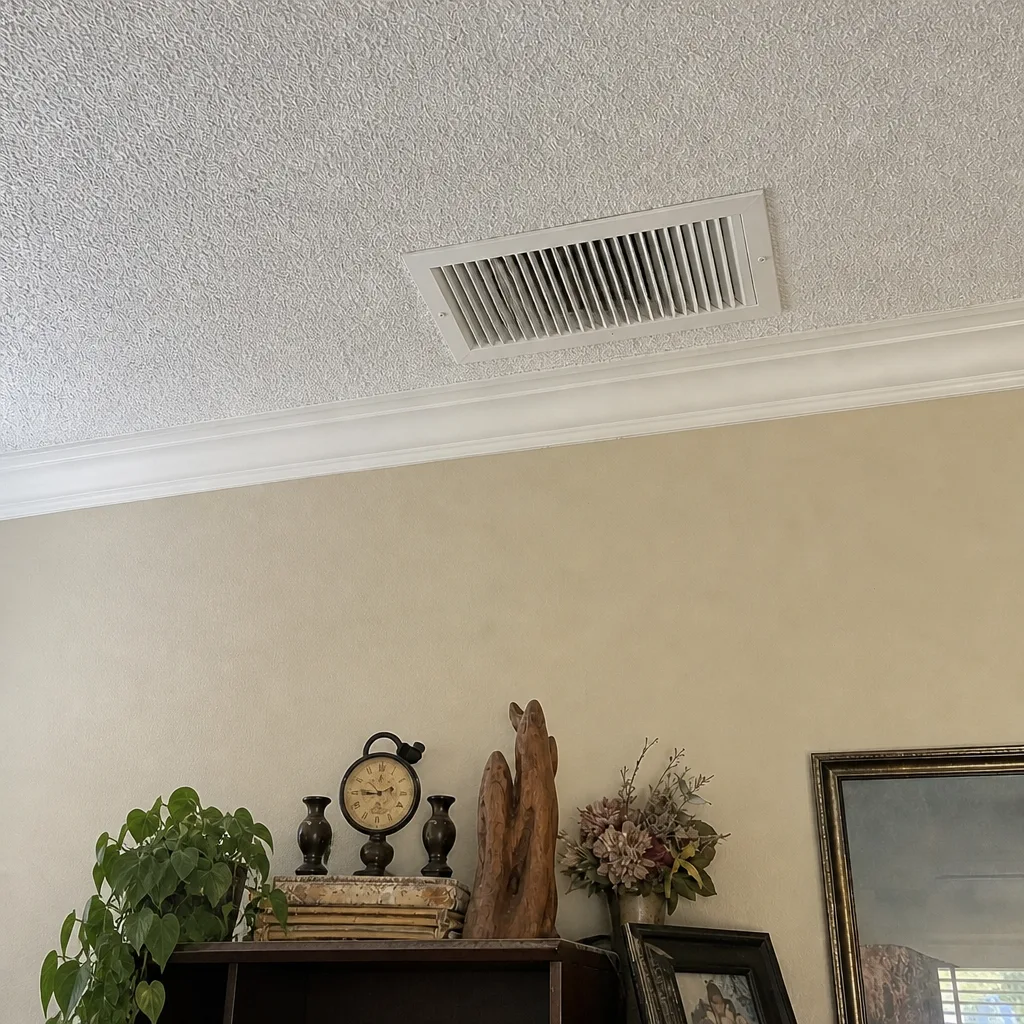 After
Frequently Asked Questions
As soon as the assessment is complete and your insurance documentation is filed – ideally within the first two weeks. Mold colonization on wet duct liner can begin within 48 hours of water exposure, so delay is the enemy. Call (833) 468-3620 for an assessment. We answer 24/7. Fast dispatch from 7am to 7pm, Sunday through Friday.
Often yes, if you can document that the need was caused by a covered event – flooding, extended power loss, or smoke intrusion. The documentation protocol in this guide is designed to give you the file an adjuster needs. Reimbursement and coverage decisions are made by your insurer; we can supply the assessment report, photos, and any readings taken during the inspection.
No. Running the system before assessment is the mistake we most often see corrected at higher cost. If the ducts have taken on water or mold is present, moving air through the system spreads contamination to every register in the home. Turn the thermostat to off, kill the breaker, and get an assessment first.
Post-storm restoration adds sanitizing with Abatement Technologies equipment, leak repair and sealing, and a filtration review to the standard clean. A routine appointment that only removes settled dust doesn’t address microbial growth or bonded smoke residue. Memorial homes that have been through an event need the full scope – and that’s what we do.
Ask for before-and-after photos of your own ducts. A specialist who does this work will hand them over without hesitation – ours does on every job. If a company won’t show you what came out of the system, that’s the single clearest sign you’re dealing with a surface cleaning rather than a real one.
Yes. dryer vent cleaning is part of our standard scope and part of the post-event safety checklist. A lint-packed vent after a storm is a real fire risk and worth cleaning alongside the duct system if you’re already scheduling a visit. Call (833) 468-3620 for an estimate.
The Bottom Line
Duct systems in Memorial face event-driven contamination that a routine cleaning was never designed to handle. The good news is that the protocol is straightforward: prepare before the storm, assess before you power up, document before you clean, and use a specialist who can clean, sanitize, repair, and seal in a single visit. Skip any of those steps and you’re paying twice. For the pre-season clean-up, post-storm restoration, and dryer vent work around Memorial, we’re ready when you are. Read more about our Air Duct Cleaning Memorial services, our approach to air duct cleaning, and our full-scope HVAC cleaning if you want to compare the standard appointment to the post-event scope.
Call (833) 468-3620 for a free estimate. We answer 24/7. Fast dispatch from 7am to 7pm, Sunday through Friday. One flat price per system, agreed before work starts, with before-and-after photos of your own ducts.
Written by the team at Air Duct Cleaning Memorial.